Miso is a thick richly flavoured paste, produced from the fermentation of soybean and used mostly in Asian cooking. It is well known for its pro-biotic affects, its anti-cancer and anti-inflammatory effects, and for helping lower cholesterol and control body weight.
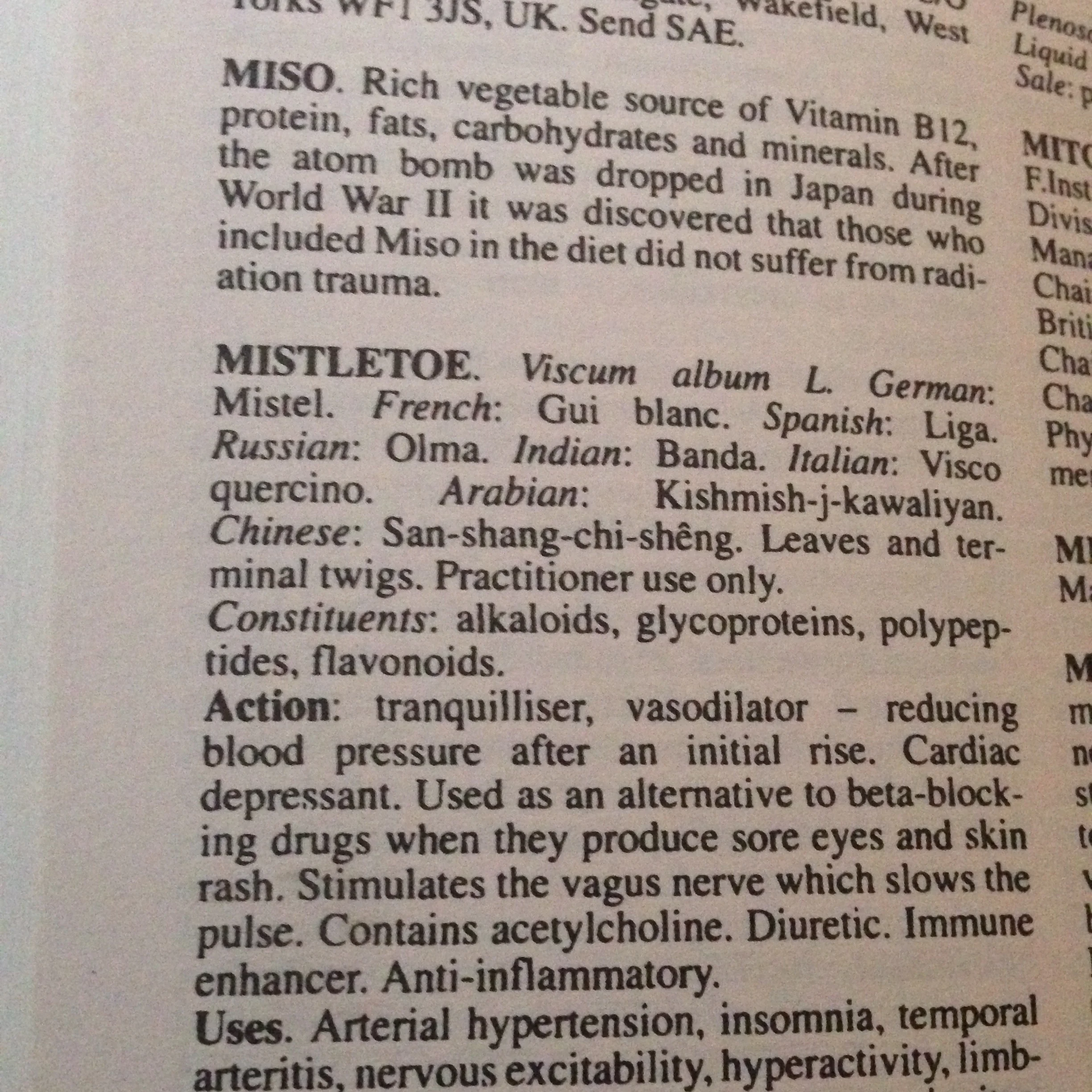
Recently, while doing some research into this ‘Medicinal-food’ I had a look at what my Herbal medicine handbook written in 1995 had to say- could Miso really protect us against radiation from a nuclear bomb?
Soybean is a legume with many active ingredients that can effect how the cells in our body function. It is the richest plant source of Isoflavones, which are part of the polyphenol family (polyphenols are also found in red wine and green tea). Isoflavones are similar in structure to oestrogens and are sometimes called phytoestrogens (meaning plant oestrogens).
But soy also contains a substance called lunasin made up of 43 amino acids (the building blocks for cells) that can produce anti-cancer effects by helping the genes that we have suppress cancer cells in the body.
Common soy preparations are soy milk (which is lowest in these beneficial properties), edamame beans (immature soybean), miso, tofu, tempeh and tamari sauce. In Korea miso is called doenjang.
This table demonstrates that Miso has much higher concentrations of the isoflavones, genistein and daidzein, than soybeans that have not been fermented.
Protein 10-17%
Fat 3-11%
Carbohydrate 15-30%
Genestein 11-47% 0.2-5.0%
Daidzein 9-36% 0.3-5.0%
Lunasin the peptide found in soy causes up-regulation of cancer preventing genes and helps prevents normal cells becoming cancerous. Soybeans also contain a ‘protease inhibitor’, which has been linked to suppressing cancers affecting the head and neck.
It is estimated that 33% of all cancers could be avoided by eating a plant-based diet.
Similar to eating nuts, soy bean intake can reduce LDL–cholesterol (bad cholesterol) by 3-10%(Jenkins et al., 2010) and in some cases also reduce triglycerides(Cederroth and Nef, 2009). This is thought to be due to the saponins and plant sterols in soy.
The evidence is conflicting but there have been some animal studies showing that the fermented soy products improve the uptake of glucose in the blood preventing high levels of glucose(Chung et al., 2014).(Kwon et al., 2011). One small human study in men showed that soy supplementation reduced the loss of protein through the kidneys, and improved ‘bad’(LDL) cholesterol levels however there are other studies which do not support this.(Sandra R. Teixeira, 2004)
like oestrogen soy can increase lipolysis (breakdown of fat cells) and decrease appetite. Although studies have shown the giving soy protein to women for 12 weeks has reduced percentage fat around the abdomen, there are studies showing no such benefits(Cederroth and Nef, 2009).
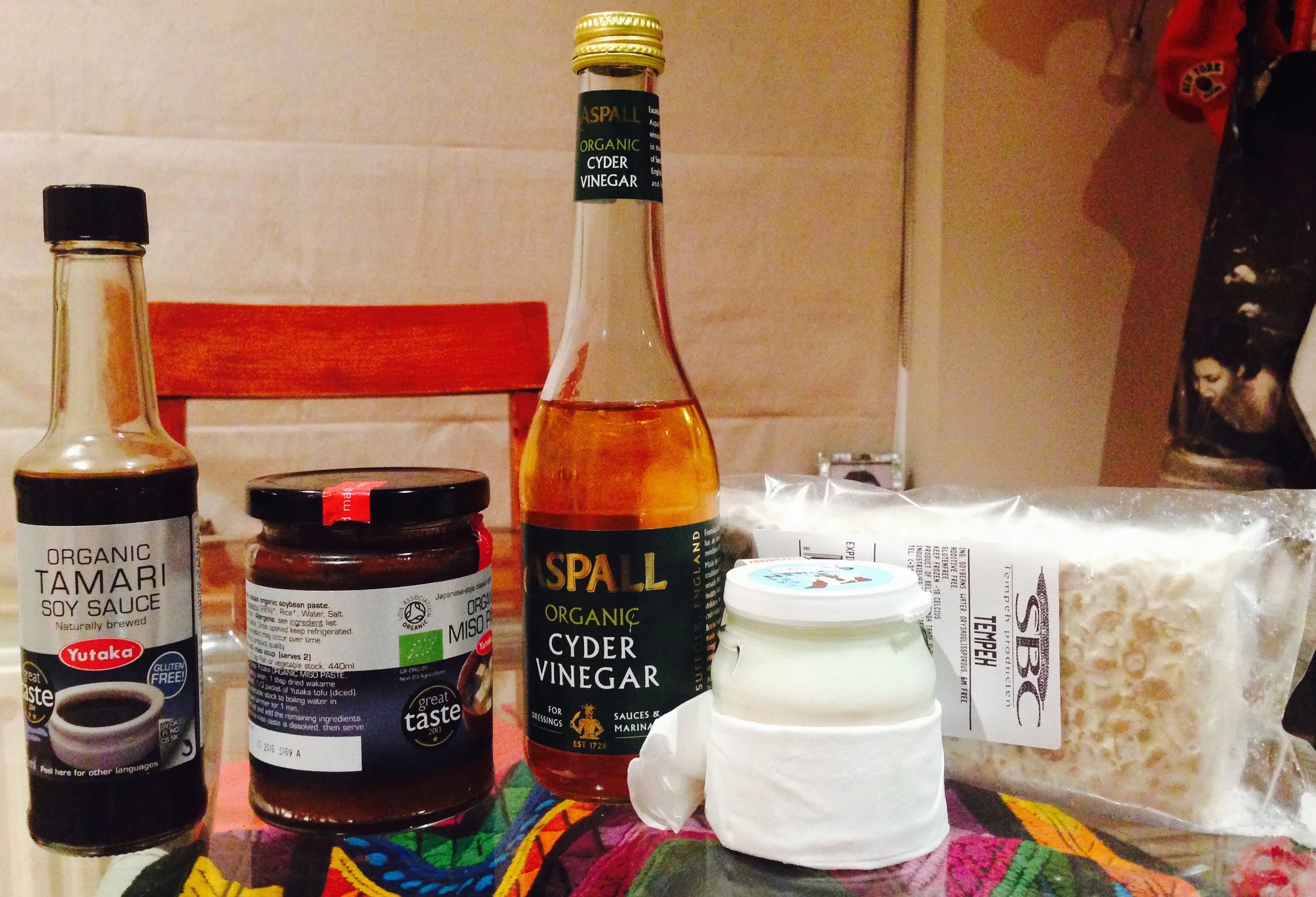
We know that fermented foods such as miso, sauerkraut, apple cider vinegar, and yogurt (without sugar) can increase the number and type of ‘good-bacteria’ in our gut and in turn improve health and physical exercise performance. Some people take probiotics in a capsule or added to yogurts.
A recent study in 28 patients with ulcerative colitis (inflammatory bowel disease) patients on the soybean bean extract (Bowman–burk protease inhibitor) showed improved symptoms and disease as seen by a bowel camera test to look directly at the lining of the bowel i.e less diarrhoea and reduced inflammation on the bowel wall, but no changes in blood markers for disease such as C-reactive protein.(Lichtenstein et al., 2008)
In a recent experimental study taking tissue from the knee joint lining of 6 patients with RA, this study showed that lunasin, extracted from soy beans, significantly reduced the inflammation in this tissue. Fertile ground for future research.(Jia et al., 2015)
Studies show that if you are Asian living in Asia then soybean intake is associated with a decreased risk of getting breast cancer. However more recent studies suggest that this benefit begins if consuming soy at a young age(Wada et al., 2013) and that commencing soy at or around your menapause may not be safe.
An Editorial in the Journal of the National Cancer Institute in 2014 sent a strong warning of caution when considering taking soy products to ease menopausal symptoms.(Jordan, 2014) This was based on research showing that soy, given to both menopausal and pre-menopausal women with breast cancer, increased expression (activity) of genes related to breast cancer cell growth.(Shike et al., 2014)
The National institute of Clinical Excellence (NICE) warns against taking supplements such as isoflavones (found in soybeans) or black cohosh to ease the menopause symptoms, as side effect profile unknown. They also repeat this warning to include women who have had breast cancer stating that: “Soy (isoflavone), red clover, black cohosh, vitamin E and magnetic devices are not recommended for the treatment of menopausal symptoms in women with breast cancer”.
Over the last ten years there has been some controversy over whether soy products, are truely associated with an increased risk in breast cancer. The breast cancer UK association advise that women who have had breast cancer and have an estrogen sensitive cancer, do not take soy in their diet. There are two reasons for this.
Why the conflicting results?
Genistein can have both weak oestrogenic and anti-oestrogenic properties i.e. meaning it acts like eostrogen on the body’s cells but can also block oestrogen, depending on the dose. The research is fascinating but complicated.
When the second nuclear bomb was dropped in Japan in 1945 Dr Akizuki and his fellow workers who were within 1 mile of the eipcentre in Nagasake did not suffer radiation affects like other people in the area. Dr Akikuki deduced that this was because all staff members were eating miso soup each day (Watanabe, 2013). This idea has since been supported in animal studies using mice and rats, where it was shown that miso that has been fermented for 180 days offers protection against radioactive substances on the body and intestines.
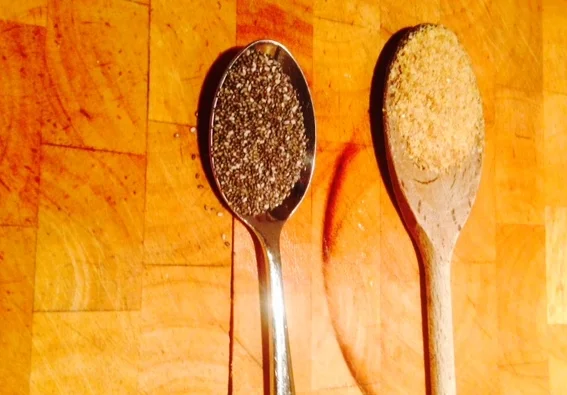
Flax seeds (linseed) also contain phytoestrogens called lignans that may counter the effects of soy on breast tissue.
All phytoestrogens have both weak estrogen effects as well as anti-estrogen effects. A study in mice by Power & Thompson showed that combining soy with flax seeds reduced the growth of existing breast cancer cells in mice with a breast cancer. Whereas soy alone increased the growth of breast cancer cells (Power and Thompson, 2007).
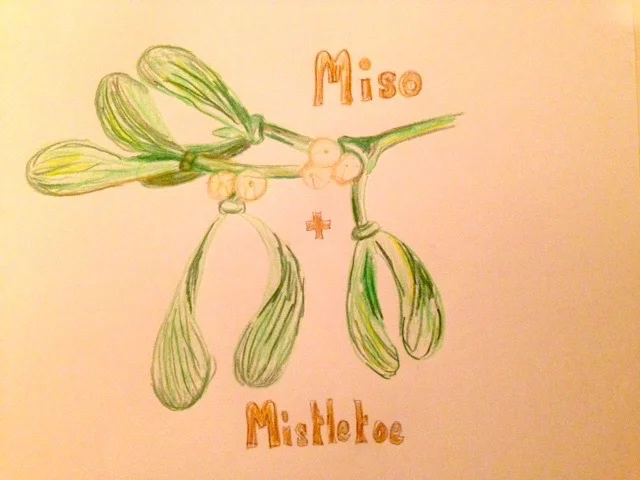
So, on the last day of Christmas as you clear away your mistletoe remember that this semi-parasitic plant was once used as a sedative, to slow your heart rate down via the vagus nerve and also as a poison!
All of this made me wonder if mistletoe had been used to reduce anxiety when kissing a stranger for the first time, or more worrying, to entice the receiver of kisses into a state of unawareness!
For the majority of people eating soy is a healthy addition to your diet. But, as always maintaining a normal body weight and keeping active come first.
If you a women within 5-10 years of the menopause then consider lowering your soy intake to ‘very little’ or nothing. This advice may change as further research comes out.
You may be on a drug that will not work as well if you eat soy so speak to your doctor.
AKIYAMA, E. A. 1987. Allergic bronchopulmonary aspergillosis due to aspergillus orzyae. Chest, 91, 285.
CEDERROTH, C. R. & NEF, S. 2009. Soy, phytoestrogens and metabolism: A review. Mol Cell Endocrinol, 304, 30-42.
CHUNG, S. I., RICO, C. W. & KANG, M. Y. 2014. Comparative study on the hypoglycemic and antioxidative effects of fermented paste (doenjang) prepared from soybean and brown rice mixed with rice bran or red ginseng marc in mice fed with high fat diet. Nutrients, 6, 4610-24.
JENKINS, D. J., MIRRAHIMI, A., SRICHAIKUL, K., BERRYMAN, C. E., WANG, L., CARLETON, A., ABDULNOUR, S., SIEVENPIPER, J. L., KENDALL, C. W. & KRIS-ETHERTON, P. M. 2010. Soy protein reduces serum cholesterol by both intrinsic and food displacement mechanisms. J Nutr, 140, 2302S-2311S.
JIA, S., ZHANG, S., YUAN, H. & CHEN, N. 2015. Lunasin inhibits cell proliferation via apoptosis and reduces the production of proinflammatory cytokines in cultured rheumatoid arthritis synovial fibroblasts. Biomed Res Int, 2015, 346839.
JORDAN, V. C. 2014. Avoiding the bad and enhancing the good of soy supplements in breast cancer. J Natl Cancer Inst, 106.
KWON, D. Y., DAILY, J. W., 3RD, KIM, H. J. & PARK, S. 2010. Antidiabetic effects of fermented soybean products on type 2 diabetes. Nutr Res, 30, 1-13.
KWON, D. Y., HONG, S. M., AHN, I. S., KIM, M. J., YANG, H. J. & PARK, S. 2011. Isoflavonoids and peptides from meju, long-term fermented soybeans, increase insulin sensitivity and exert insulinotropic effects in vitro. Nutrition, 27, 244-52.
LICHTENSTEIN, G. R., DEREN, J. J., KATZ, S., LEWIS, J. D., KENNEDY, A. R. & WARE, J. H. 2008. Bowman-Birk inhibitor concentrate: a novel therapeutic agent for patients with active ulcerative colitis. Dig Dis Sci, 53, 175-80.
POWER, K. A. & THOMPSON, L. U. 2007. Can the combination of flaxseed and its lignans with soy and its isoflavones reduce the growth stimulatory effect of soy and its isoflavones on established breast cancer? Mol Nutr Food Res, 51, 845-56.
SANDRA R. TEIXEIRA, K. A. T., LEAANN CARSON, RICHARD JONES,* MUKUND PRABHUDESAI,* WILLIAM P. MARSHALL,* AND JOHN W. ERDMAN, JR.3 2004. Isolated Soy Protein Consumption Reduces Urinary Albumin Excretion and Improves the Serum Lipid Profile in Men with Type 2 Diabetes Mellitus and Nephropathy1,2. American society of nutritional sciences, 1874-1880.
SHIKE, M., DOANE, A. S., RUSSO, L., CABAL, R., REIS-FILHO, J. S., GERALD, W., CODY, H., KHANIN, R., BROMBERG, J. & NORTON, L. 2014. The effects of soy supplementation on gene expression in breast cancer: a randomized placebo-controlled study. J Natl Cancer Inst, 106.
TORO-FUNES, N., BOSCH-FUSTE, J., LATORRE-MORATALLA, M. L., VECIANA-NOGUES, M. T. & VIDAL-CAROU, M. C. 2015. Biologically active amines in fermented and non-fermented commercial soybean products from the Spanish market. Food Chem, 173, 1119-24.
WADA, K., NAKAMURA, K., TAMAI, Y., TSUJI, M., KAWACHI, T., HORI, A., TAKEYAMA, N., TANABASHI, S., MATSUSHITA, S., TOKIMITSU, N. & NAGATA, C. 2013. Soy isoflavone intake and breast cancer risk in Japan: from the Takayama study. Int J Cancer, 133, 952-60.
WATANABE, H. 2013. Beneficial Biological Effects of Miso wirh reference to Radiation injury, Cancer adn hypertension. J Toxicol Pathol 26, 91–103.
NICE Guidelines. https://www.nice.org.uk/guidance/cg80/chapter/guidance
Nutritional Genomics: The Impact of Dietary Regulation of Gene Function on Human Disease. Edited by Wayne R. Bidlack & Raymond L.Rodriguez. CRC Press 2012.
BARTRAM’S ENCYCLOPEDIA of Herbal Medicine by Thomas Bartram. Published 1995.
drsiobhangraham.com©