Stress is a natural part of human life. Our ancestors experienced stress in the setting of surviving threats from animals, other humans, lack of food, and disease.
Modern day humans like you and I, experience broader sources of stress. From social isolation to discrimination based on race or religion to feeling over worked and having no community to help with your family. It can originate from institutions where bullying can have lasting effects on children and adults. It can come from becoming sick in a world where we are sold the dream of health and happiness. It can come from feeling like you just don’t fit in or will never be or look like what the media sells us. It can come from deep within, where we feel on high alert most of the time. And it can come from wars and torture beyond our control.
We know now that stress can be inherited from our ancestors and there is something mysterious and tenuous but real about trans-generational stress, trauma and anxiety.
Whatever the origins of stress, the feelings it brings can range from chest pain, stomach upset, sweating and fear is your body telling you it doesn’t like this situation, its unhealthy and that you should avoid it the next time.
When you’re in the midst of chronic, longstanding stress it is difficult to see a way out of it or even to believe that it could be related to your nervous system. So seeking help and direction and care is so important. I know it’s hard. Your doctor can help as a starting point. Read on to see how you can address areas of stress in your life with one or two new habits.

As you probably know stress can help us perform better in sport if the stress is manageable and directed for focus and short lived once the activity is over.
But repeated stress is unhealthy, it raises our blood pressure, increases steroid in the blood, both of which cause heart disease and the cortisol with time causes fatigue. When we notice our rate racing the body is also producing adrenaline and this is what causes your heart to race, skin to sweat and you become hyper focused in the small space in front of you.
Long term stress causes anxiety and depression.
Anxiety and depression can run in families. But everyone is susceptible to stress. Doing the things that prevent stress can reduce its affects on your health.
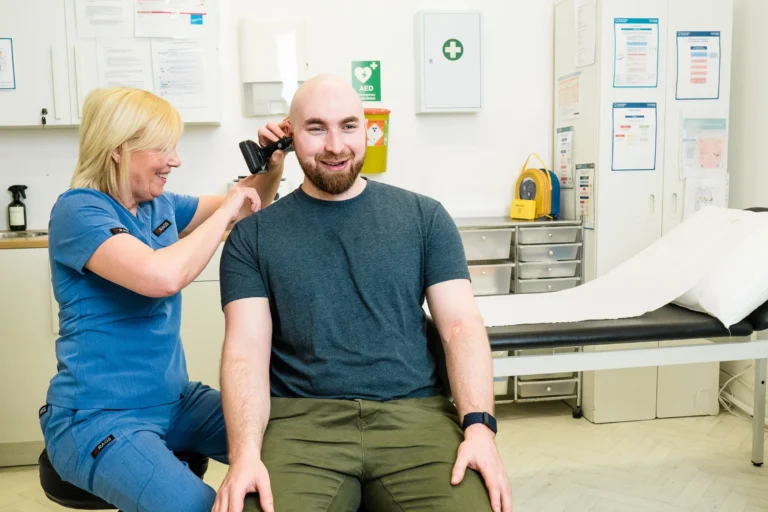
If it’s so bad that you cannot get to work or school or enjoy life, then see a doctor. If it impacts your social life or ability to form relationships consider talking to a counsellor.
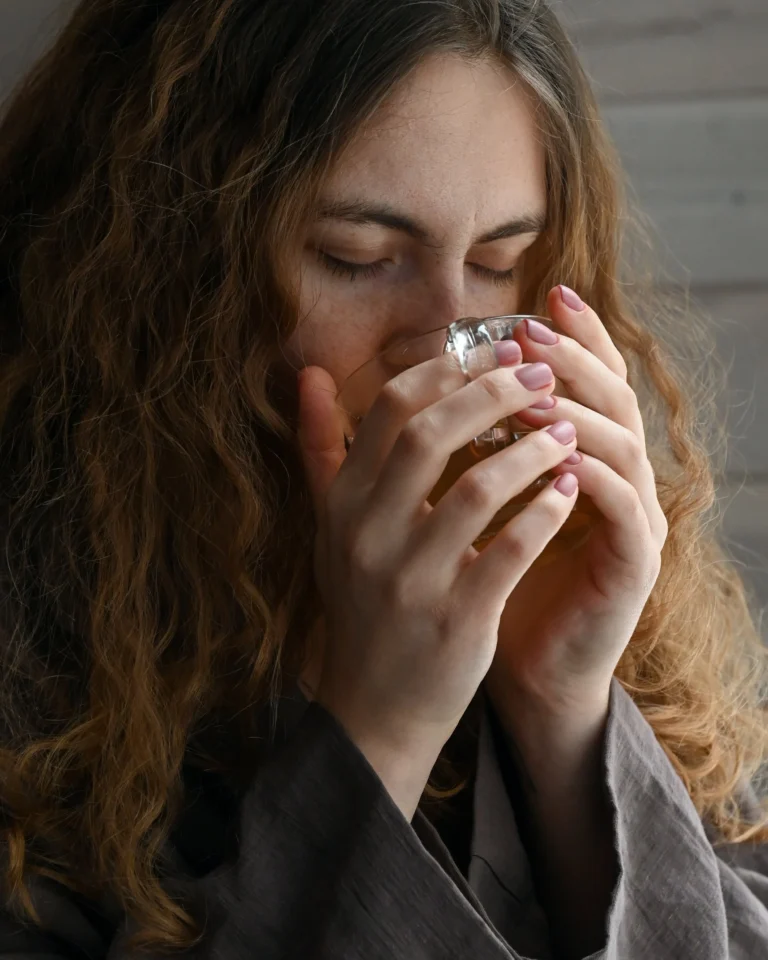
Reducing stimulants such as caffeine is a good place to start. Try a herbal tea or even decaf. Try dropping coffee one or two days a week and then increase this frequency.
Also eating a protein rich breakfast can help reduce the cortisol levels that can remain high if we skip breakfast.
Intermittent fasting can help overall health but work out how you feel when you fast and also work out if fasting in the evening suits you better.
All of these tips help, but find what feels good to you. It can be trial and error and each person is unique so don’t become disheartened if something doesn’t help your stress levels.
Community and talking with others can reduce your fear around chronic stress and even lighten your worries. In meditation the focus is on the spaciousness around you, as you practice opening awareness to the greater world.
We are often lost in our worries where they become so real we cannot see the sky and the mountains in the distance, or the beauty of the rain on the windows and the sound of bird song after the rain.
At Vitalis Health we can help you on your road to good mental health. Our meditation classes will recommence after Spring so keep in touch.
Jack Kornfield’s guided meditations are excellent and good way to begin your practice