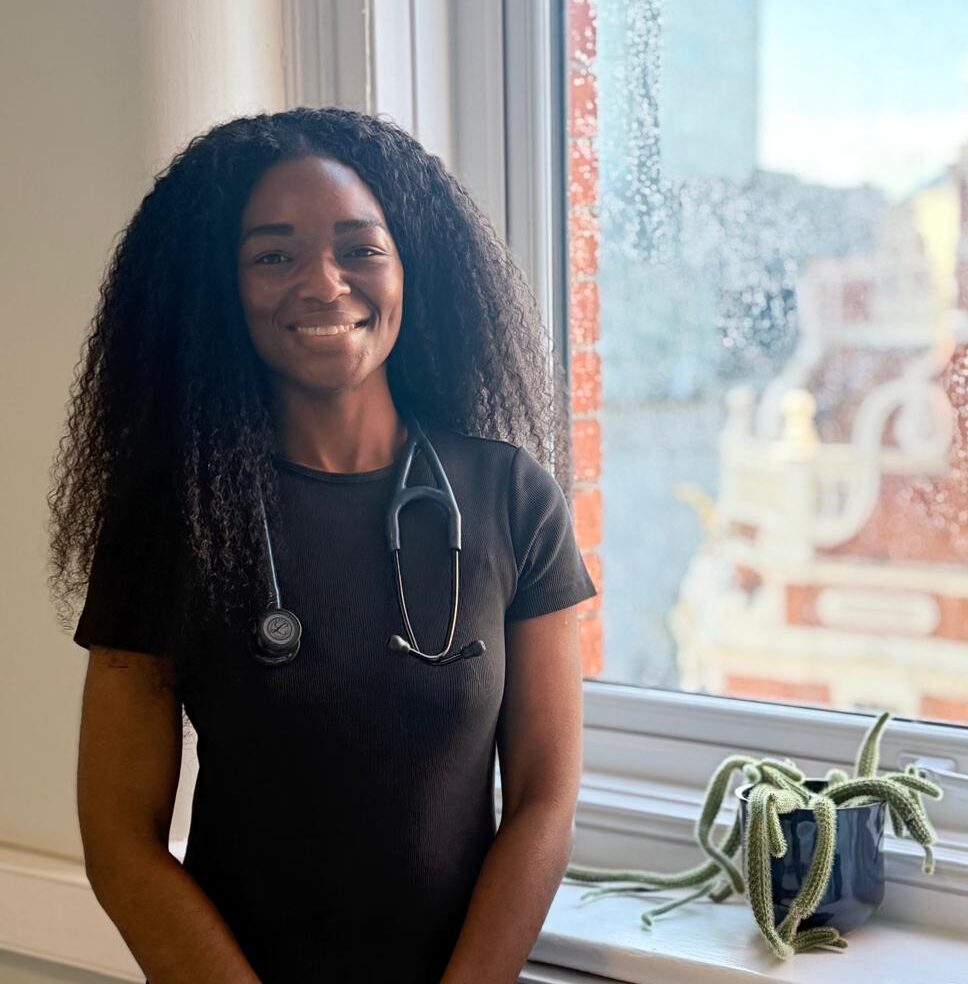
In my clinic, I often meet people who tell me, “I didn’t know I was at higher risk.” That sentence is why I wrote this post.
I take pride in my Nigerian Heritage and my hope is to empower you today with knowledge and understanding of the higher risks the black community faces with health conditions.
Some health conditions affect Black men and women more often, earlier in life, or more severely. This blog is about knowing your risk so you can act early, because early action can improve outcomes.
Below, I cover four conditions: prostate cancer, breast cancer, type 2 diabetes and high blood pressure.
Why do these gaps exist between white and black people?
The causes are a mix of factors:
- Genetics: some risks, such as certain cancer subtypes, are more common in people of African and Caribbean ancestry.
- Social and economic factors: income, housing, work stress and access to healthy foods that are protein rich all shape health.
- Access to care: seeking medical help later, delayed diagnosis and lower uptake of offered screening.
- Trust: past and present experiences of unequal care can make people hesitant to seek help
For men: prostate cancer in black men
The gap: Black men are at significantly higher risk of prostate cancer. Roughly 1 in 4 Black men in the UK will be diagnosed in their lifetime. It can also develop at a younger age.
Why it matters: early prostate cancer often causes no symptoms. By the time symptoms appear, the cancer may be more advanced.
What you can do:
- Educate yourself about the symptoms: needing to pass urine more often (especially at night), difficulty starting a flow, weak flow, or feeling your bladder has not fully emptied.
- Ask about family history: A father or brother with prostate cancer raises your risk further.
- Talk to your GP about PSA testing: There is no national screening programme in the UK, but men can request a test after a discussion of the benefits and limitations. Prostate Cancer UK recommends Black men start this conversation from the age of 45.
For women: breast cancer in black women
The gap: Black women are more likely to be diagnosed at a younger age, to have more aggressive subtypes and to be diagnosed at a later stage. Survival outcomes are worse as a result.
Why it matters: NHS breast screening starts at 50, so women who develop breast cancer earlier may not be picked up. Awareness of changes matters.
What you can do:
- Educate yourself: Get to know how your breasts normally look and feel, and check regularly. (Please see link end of blog for breast examination video). Signs: new lump, skin changes, nipple changes, or persistent pain in one area.
- Ask about your family history including your father’s side.
- Speak to your GP promptly for any concerns with any breast changes. Do not wait for the screening test.
- Attend screening when you are invited. Also you can request a mammogram with Action Cancer ages 40-49 years old or over 70years old
Type 2 diabetes in black men and women
The gap: people of Black African and African Caribbean heritage have a substantially higher risk of type 2 diabetes. It often appears at a younger age and at a lower body weight than in white populations, and complications such as eye, kidney and nerve damage can be more common.
Why it matters: type 2 diabetes can be silent for years. Many people are diagnosed only when a complication appears.
What you can do:
- Ask for a diabetes risk check with a GP. UK Guidelines supports risk assessment from the age of 25 in Black African and African Caribbean adults, 15 years earlier than for the general population.
- Ask your GP about an HbA1c blood test, especially if you have a family history, are carrying extra weight around the middle, or have symptoms such as excessive thirst, frequent urination, tiredness or slow-healing cuts.
- Small, sustainable changes help: regular exercise, mindful portions of starchy food and more vegetables and pulses. This is about adjusting foods you love, not abandoning your culture’s cuisine.
High blood pressure (Hypertension) in black men and women
The gap: high blood pressure is more common in Black communities, tends to start earlier, and can be harder to control. It is a major driver of stroke, heart disease and kidney disease.
Why it matters: it is called the silent killer for a reason. Most people feel completely well.
What you can do:
- Get your blood pressure checked at least once a year.
- Consider a home monitor if you have been advised to track your readings.
- Reduce salt, including hidden salt in stock cubes, seasonings, processed and takeaway foods.
- If you are prescribed medication, take it consistently. Different medicines work better for different people, so if one does not suit you, ask about alternatives rather than stopping.
Speaking up in your appointment
It can be hard to raise concerns, so here are some phrases that help:
- “I’m aware that Black people are at higher risk of this. Can we talk about screening or testing for me?”
- “Can you explain why you’re recommending (or not recommending) this test?”
- “What should I look out for, and when should I come back?”
You are entitled to ask questions and to be heard.
Your quick annual health checklist
- Men from 45: ask your GP about prostate cancer and PSA testing.
- Women of any age: know your breasts and report changes promptly.
- From age 25: ask about a diabetes risk check.
- Every adult: have your blood pressure checked at least once a year.
- Everyone: find out your family history and share it with your GP.
Final thoughts
Knowing you are at higher risk is a head start. Screening, simple tests and early conversations save lives, and you do not have to wait until something feels wrong.
Here at Vitalis Health we are able to offer same day GP appointments to discuss any of the above issues. We offer 30 minute appointments for new patients. We will discuss your ideas and concerns, carry out appropriate examinations and blood tests and refer as necessary.
BOOK ONLINE TODAY
If this post was useful, share it with someone you love, especially the person who never goes to the doctor.
Resources and sources of our information:
Prostate Cancer UK
Action cancer NI
Breast Cancer Now
NHS website: How to check your breasts
Diabetes UK
Blood Pressure UK
Written By Dr Blessing Ogbobi