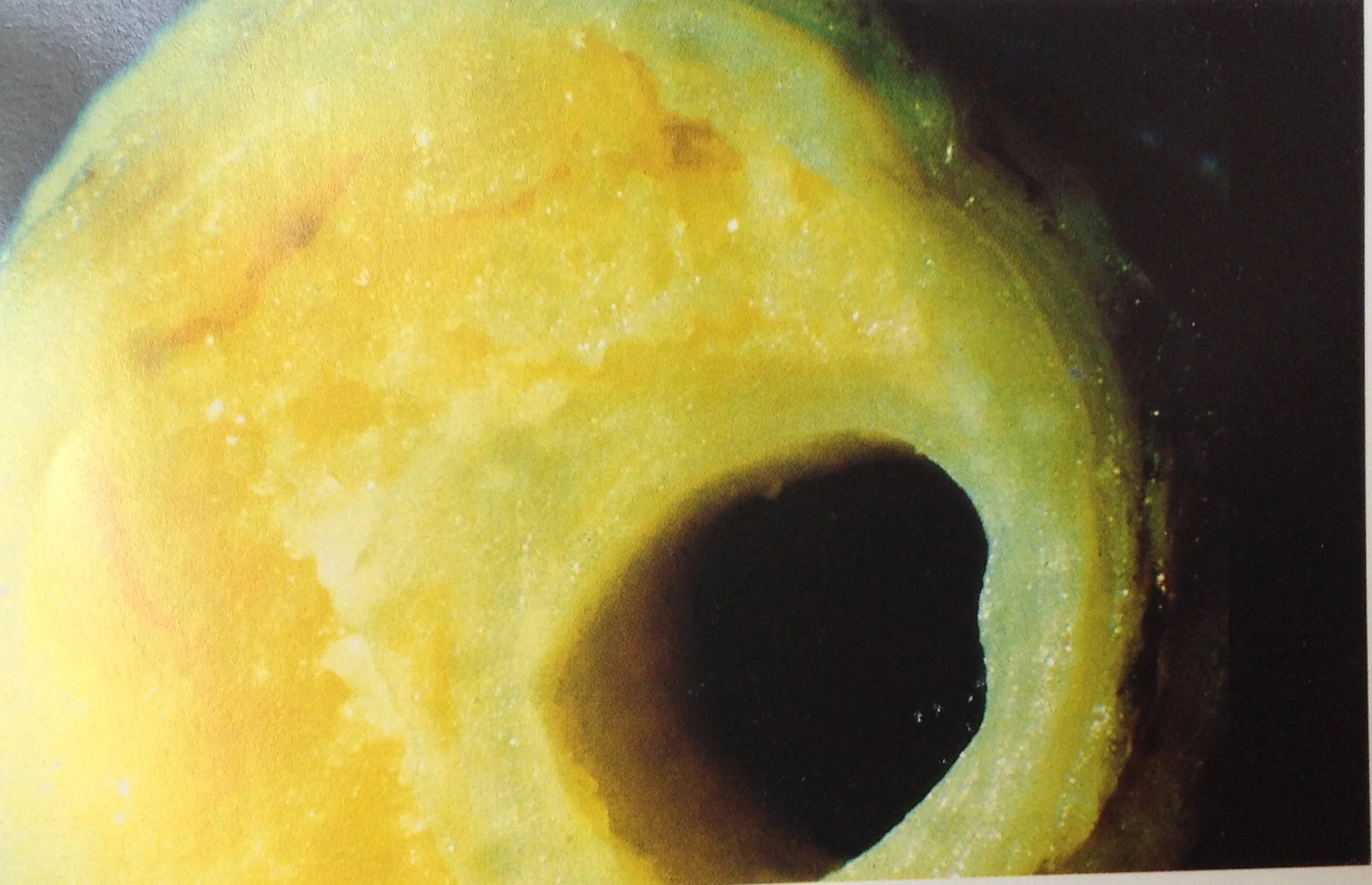
But what is high cholesterol? And what about the triglycerides and what about the non-HDL cholesterol, and what about the HDL- cholesterol, and the LDL cholesterol? Yes there’s a lot to cover!
I will do my best to explain each of these to you so that you can understand what needs to be done with your cholesterol results.
The reason this is so important is that cholesterol can be treated easily with medication. If high cholesterol is picked up early and the right treatment is started, preventing heart attacks and other vessel disease in the future is possible.
As you probably know a healthy cholesterol can be maintained by keeping a normal body weight, by eating good food that is not processed or high in seed oils/battered foods and other inflammatory type oils, by eating fish, seeds, olive oil, veg full of fibre, fruits and jumbo oats.
Exercise is also important as this helps you keep a normal body weight and keeps the bloods vessels and blood pressure healthy.
Back to the cholesterol results.

I firstly look at your total cholesterol – Is it high? If so why? Is it the HDL or the LDL that makes it high?
If your total cholesterol is > 7.5 mmol/l you may have a genetic condition that means you can eat well and exercise but your cholesterol is still going to be high. This means you will need medication to keep your numbers low and your family members should also be checked out. There are lots of different types of genetically high cholesterol.
Next I look at the LDL-cholesterol – if its high – but you don’t have a genetically high total cholesterol – I want to know your Apo-lipoprotein B level. This will tell me if this LDL cholesterol is causing inflammation and plaque in your blood vessels.
If the Apolipoprotein B is high we will discuss starting medication in conjunction with diet and exercise (if you’re not already doing these things).
Next I look at HDL-cholesterol. If it’s low I will look at your triglyceride – which if high increases your risk of heart disease. And so I would discuss treatment for this and fish oils (EPA /DHA). We want to get your HDL-cholesterol up into the normal range and would recommend repeating it in 6-9 months.
If it’s high but below 2.5 mmol/l, and your triglycerides are normal and your LDL is OK, I am thinking this is likely protective against heart disease BUT, I want to be sure.
In a small number of people high HDL cholesterol greater than 2.5 mmol/l can mean you are still laying down plaque in your arteries. At this level the HDL cholesterol irritates the arteries causing narrowing. If you are aged 40 and above with a HDL > 2.5 mmol/l I would refer you for a calcium score test to ensure your arteries are OK.
The main thing to remember here is that a high HDL-cholesterol is not always protective against heart disease.
Before moving on I always look at the NON-HDL cholesterol. This gives us so much information as it looks at tiny cholesterol particles that cause plaque in the arteries. So if this is high I will let you know. You can then work on diet/exercise/supplements and repeat the test 6 months. If it’s still high we would discuss medication.
Triglycerides get covered with the HDL-cholesterol but if they are high we want to get them down. If you do not fast before your tests, the triglycerides will be high, so remember to skip breakfast and only drink water before you have your cholesterol blood tests.
At Vitalis Health, when we report your lipids/cholesterol in our health checks we will also report the Triglyceride /HDL ratio which reflects higher insulin levels/insulin resistance if its high, as well a higher risk of heart disease.
The older well known Total cholesterol/HDL ratio is also checked. Both of these give us more information on your risk of heart disease.
We also use the QRISK 3 score, but we know that this is not so useful in younger patients where we can miss starting cholesterol lowering treatment early.

Understanding your cholesterol figures is so important. So you can make changes and see if they have worked. The great news is that if you need to take medication they work and can keep your arteries clear of plaque/narrowing.
Also don’t feel bad if you can’t get your numbers into the normal range. We are all different and some people have a slightly high LDL-cholesterol but normal Non-hdl cholesterol and normal triglycerides and normal Apolipoprotein b and they have normal coronary arteries! But always ask your doctor what your cholesterol results mean for you.
Ask your family members and friends if they know their cholesterol. Along with blood pressure its one of the easiest things you can manage to prevent heart attacks and stroke in the future.
I hope you enjoyed reading this, if you have any questions we will do my best to answer them, just drop us an enquiry.
You can book a health check online Monday to Friday
This Blog was written and checked by Dr Siobhan Graham