Many people struggle with symptoms of fatigue and mild depression on and off in their life, yet few realise that the reason for their problems might be vitamin deficiency.
In a series of blogs I am going to look at the most common vitamin deficiencies and which foods and supplements to consume to counteract these deficiencies and what underlying disease can cause low vitamin levels.
The term “B vitamins” describes a complex of several closely related water-soluble vitamins that are responsible for numerous vital metabolic functions.
Among other things, they are indispensable for energy production, normal functioning of the nervous system and regeneration of muscles and skin.
Most vitamin B’s are readily available in foods, but vitamin B12 is not available from plants. For this reason vegetarians and vegans who eat little or no animal products should monitor their vitamin B12 levels plus folate level( another B vitamin)and take a supplement if required.
If you have vitamin B12 deficiency, you could become anaemic which means your red bloods cells are not as healthy in size, shape and number. A mild deficiency may cause no symptoms. But if untreated, it may lead to symptoms such as:
Weakness, tiredness, or lightheadedness
Heart palpitations and shortness of breath
Pale skin
A smooth tongue
Constipation, diarrhoea, loss of appetite, or gas
Nerve problems like numbness or tingling, muscle weakness, and problems walking ( late signs of low B12/folate)
Vision loss
Mental problems like depression, memory loss, or behavioural changes
Vitamin B12 is naturally present in foods of animal origin, including:
In addition, nutritional yeasts contain readily available sources of vitamin B12 that have high bioavailability. I have to mention fortified breakfast cereals: we don’t recommend these because they are processed and usually contain sugar- and
Bioavailability means the amount of the vitamin in your blood that is active and can be used to maintain nerve health and other functions.
The estimated bioavailability of vitamin B12 from food varies because absorption decreases drastically when the capacity of the carrier to absorb and use vitamin B12 (intrinsic factor) is exceeded.
Some people lack vitamin B carrier (intrinsic factor) and have a condition called Pernicious anaemia. This can run in families and is often associated with low thyroid levels( hypothyroidism), type 2 diabetes and coeliac disease.
Vitamin B12 was discovered after the second world war and pernicious anaemia was found to be cured by eating liver, which we now know contains high levels of B12.
B12 absorption is also aided by stomach acid. So, if you take medications to stop acid production such as a PPI ( omeprazole/pantoprazole and so on) it will reduce your absorption of Vitamin B12.
You can now buy these drugs in supermarkets. So be careful not to rely on them long term. It’s better to look at your diet first and see whats causing excess acid production or irritation of your stomach. sometime the H.pylori bacteria is the culprit so always see your doctor of indigestion persists past 1-2 months.
Bioavailability also varies by type of food source.
For example, the bioavailability of vitamin B12 appears to be about three times higher in dairy products than in meat, fish, and poultry, and the bioavailability of vitamin B12 from dietary supplements is about 50% higher than that from food sources.

Vegans who consume no animal products and vegetarians who consume some animal products (e.g., dairy products, eggs, or both) but not meat have a higher risk of developing vitamin B12 deficiency because natural food sources of vitamin B12 are limited to animal foods.
Consumption of foods fortified with vitamin B12 (such as fortified nutritional yeasts) as well as vitamin B12 supplements can substantially reduce the risk of deficiency.
Although we can thrive on a plant based diet (don’t worry) many vegans take vitamin B12 supplementation, but B12 can be found in many fortified foods as well.
Nutritional yeast flakes or NOOCH as it’s sometimes referred to is a great addition to any meal. This can be sprinkled on so much food. It gives a nutty flavour to food and is in many different vegan recipes.

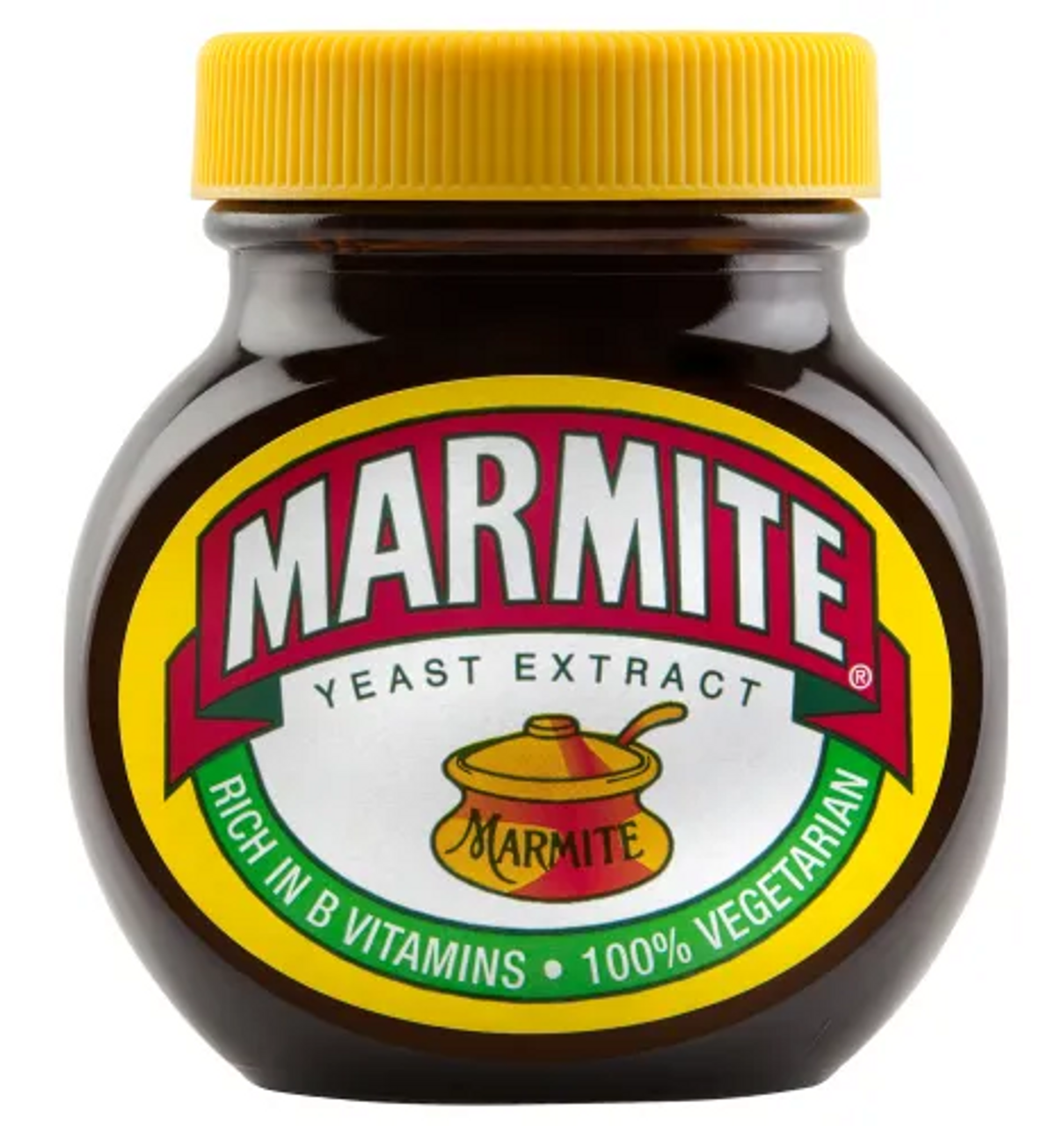
Marmite is a British food that is most commonly used as a spread on bread or stirred into soups. It is a nutritional yeast spread that is quite pungent in flavour. It is very much an acquired taste, you either love it or hate it, there is no in between. It has a tonne of health properties and contains high amounts of B12 in just one serving.
Another source of vitamin B12 is dietary supplements.
Vitamin B12 sprays and tablets can improve B12 levels if you need small boost. But when levels are actually low, we recommend seeing a doctor, checking for pernicious anaemia if you eat meat and diary and also checking your folate level.
In the case of a true low B12 related to likely pernicious anaemia supplement replacement is via a small injection of B12 under the skin.

If you are concerned you might be deficient in Vitamin B12 then why not book a private blood test at Vitalis Health?
We can check your B12 and folate level and also ensure you don’t have pernicious anaemia or other associated autoimmune diseases, then prescribe ongoing treatment long term.
Check out the Vitalis Health shop online at or in person at our Howard Street clinic to purchase a range of vitamin supplements.
Our health clinician Tina is highly experienced intaking blood and results are back within 1-2 days.
You will receive your results via secure confidential email.
The doctor with follow up and email you directly to analyse results if there is anything of concern.
If you require Vitamin B12 injections we can provide these if your level is low or low side of normal with symptoms related to this.
If your vitamin B12 level is low you do need to follow up with a specialist in this field. We recommend you are assessed by one of our Gp’s first and then we can make the referral for you into the NHS of privately.
Before B 12 injections can be given we need to know your folic acid or folate level. This must be well within normal range before you can start injections. So if we find your folate level is low we will prescribe this first to ensure levels are normal before commencing the Vitamin B12 injections