| Blog | Cortisone joint injections – can they help me?
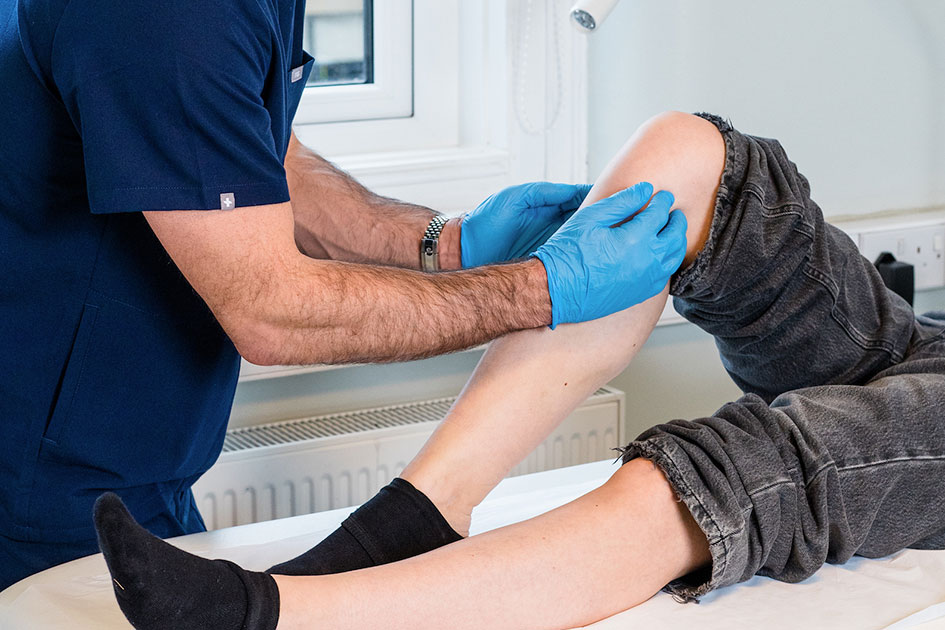
Struggling with joint pain, stiffness or inflammation? Cortisone steroid injections can provide effective relief for certain painful joint and tendon conditions, helping you move more comfortably and return to everyday activities.
At Vitalis Health, Belfast, our doctors offer steroid injections alongside personalised exercise, rehabilitation advice and physiotherapy referrals when needed.

Cortisone injections contain a corticosteroid, a powerful anti-inflammatory medicine that reduces swelling and inflammation around joints and soft tissues.
Unlike painkillers, which mainly relieve symptoms, steroid injections target inflammation directly. This can reduce pain, improve movement and make it easier to exercise and strengthen the affected area.
Relief may begin within a few days and can last several weeks or months, although results vary.
But it is not the long term solution alone to inflammatory arthritis such as Rheumatoid arthritis or ‘wear and tear’ arthritis called osteoarthritis. In rheumatoid you will benefit from usually taking an advanced drug to reduce inflammation in the body.
And in osteoarthritis (OA), exercise to strengthen the tendons and muscle that support the joints, reduce pain and help with wellbeing.
Diet also has a place. Here is a link to our anti-inflammatory diet advice sheet.
1. Osteoarthritis (OA)
Osteoarthritis occurs when joints develop changes affecting cartilage, bone and surrounding tissues. It commonly affects the knees, hips and hands.
Steroid injections can help relieve painful flare-ups, particularly when inflammation or swelling is present. They do not reverse arthritis or repair damaged cartilage, but may provide short-term relief while you work on strengthening and rehabilitation.
2. Rheumatoid Arthritis
Rheumatoid arthritis is an autoimmune condition in which the immune system attacks the lining of the joints, causing inflammation, pain and swelling.
Steroid injections can help settle inflammation in an affected joint. However, rheumatoid arthritis requires specialist assessment and ongoing treatment to prevent joint damage. Injections are an additional treatment rather than a replacement for disease-modifying medication.
3. Carpal Tunnel Syndrome
Carpal tunnel syndrome occurs when the median nerve becomes compressed at the wrist, causing tingling, numbness and sometimes weakness in the hand.
At Vitalis Health, Dr Russell performs carpal tunnel steroid injections under ultrasound guidance, allowing accurate placement of the medication around the affected nerve.
These injections may provide symptom relief, particularly in mild to moderate cases. More severe cases may require surgical assessment.
4. Tennis Elbow
Tennis elbow causes pain on the outside of the elbow, usually due to overloading of the tendons.
Steroid injections can provide short-term pain relief, but symptoms may return and longer-term outcomes can be worse. For this reason, we prioritise physiotherapy and progressive strengthening. An injection would only be considered exceptionally, after discussing the risks and alternatives, rather than as routine treatment.
5. Hip bursitis
We will always advise focused strengthening of the muscles around the pelvis and hip and when they are weak a bursitis is the result.
Not every painful joint needs a steroid injection.
At Vitalis Health, our doctors assess your symptoms and examine the affected area to establish the diagnosis and ensure an injection is appropriate.
Importantly, we must exclude joint infection, as injecting steroids into an infected joint can be dangerous. We also consider whether your symptoms suggest an underlying inflammatory arthritis, gout or another condition requiring different treatment.
We review relevant medical conditions, including diabetes, medications such as blood thinners, and previous injections. Potential side effects include temporary pain, raised blood glucose, skin changes and, rarely, infection or tendon damage.
At Vitalis Health, we also offer Ostenil, a hyaluronic acid injection designed to supplement the natural lubricating fluid within joints.
It may be considered for selected patients with osteoarthritis, particularly of the knee. However, research shows inconsistent benefits, and hyaluronic acid injections are not routinely recommended by NICE for osteoarthritis.
Our doctors can discuss whether this option is appropriate for you.
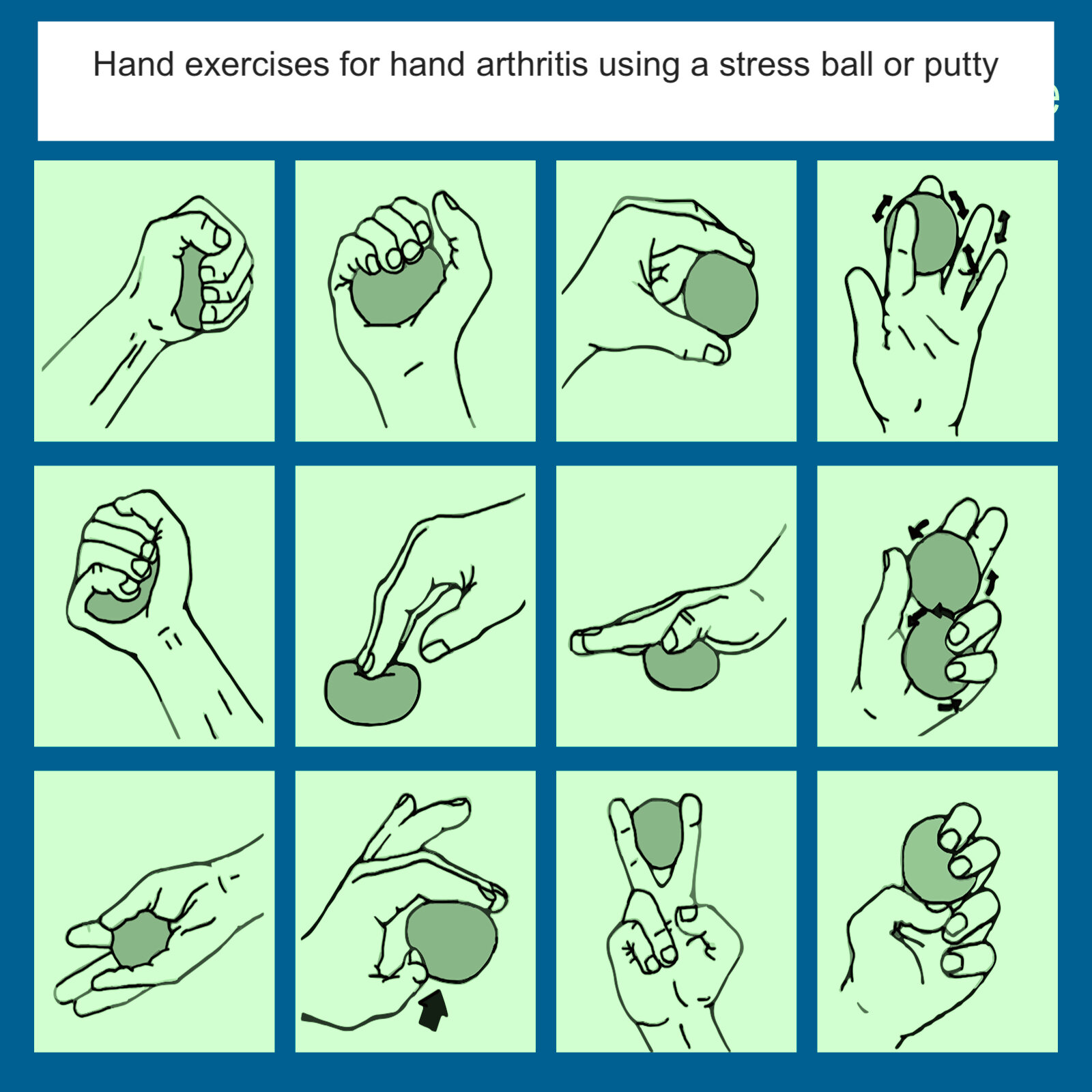
At Vitalis Health, we believe that lasting improvement comes from treating the underlying problem, not simply relieving pain.
Alongside injections, we provide individualised exercise and rehabilitation guidance, including advice on strengthening, improving mobility and protecting your joints. We can also refer you to a physiotherapist when needed.
Book an appointment with one of our doctors at Vitalis Health, Belfast, for a thorough assessment and a personalised treatment plan to help you move more comfortably and confidently.
Clinical note before publication: I have deliberately avoided recommending even one steroid injection routinely for tennis elbow. Current evidence suggests that corticosteroid injections can worsen longer-term outcomes compared with conservative management. The blog also reflects NICE guidance that steroid injections for osteoarthritis generally offer short-term relief, while hyaluronic acid injections are not routinely recommended.
Written by Dr Siobhan Graham