Nourish Your Hormones, Bones and Brain
Menopause is a natural stage of life, but the drop in oestrogen can affect your metabolism, bones, muscles, heart and brain. The good news is that making healthy food choices can help reduce symptoms, protect your long-term health and improve energy levels.

🌿 Fill Your Plate with Vegetables
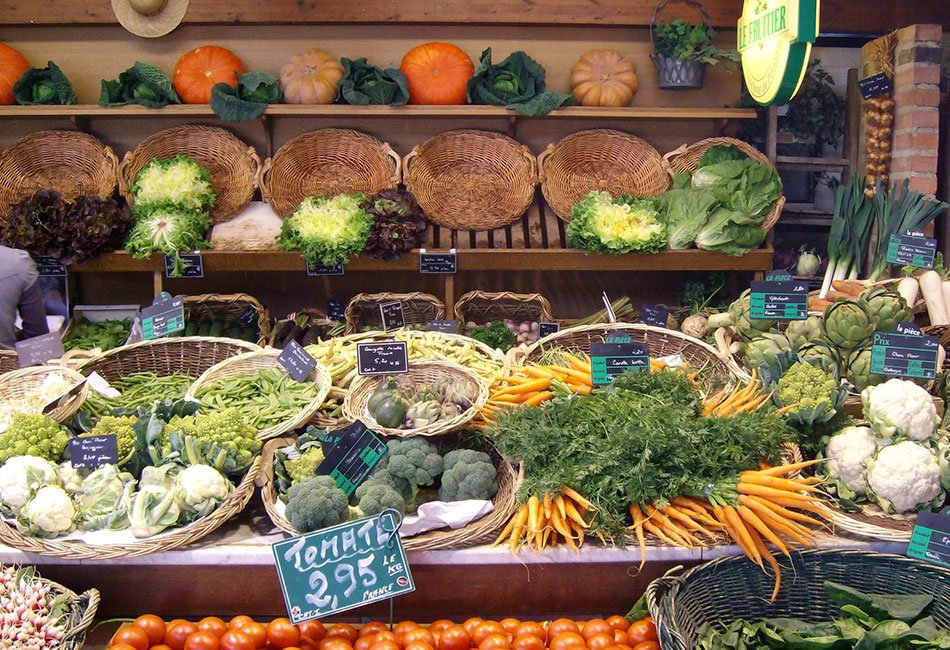
Aim for at least 5–7 portions of vegetables and fruit each day, with vegetables making up the majority.
Include cruciferous vegetables regularly:
- Broccoli
- Cauliflower
- Cabbage
- Kale
- Brussels sprouts
These vegetables:
- Support liver function and healthy hormone metabolism
- Provide fibre for gut health
- Contain antioxidants that may reduce inflammation
🥬 Eat Plenty of Leafy Green Vegetables
Choose:
- Spinach
- Kale
- Rocket
- Watercress
- Swiss chard
These are rich in:
- Calcium
- Magnesium
- Folate
- Vitamin K
These nutrients help support:
- Strong bones
- Healthy muscles
- Heart health
- Normal blood pressure
🫘 Enjoy More Legumes
Try to include legumes several times each week:
- Chickpeas
- Lentils
- Butter beans
- Kidney beans
- Black beans
Legumes are an excellent source of:
- Plant protein
- Fibre
- Slow-release carbohydrates
- Iron
- B vitamins
They help:
- Keep you fuller for longer
- Support healthy blood sugar levels
- Feed beneficial gut bacteria
- Lower cholesterol
- Support heart health

🍝 Swap Refined Carbohydrates for Better Choices
Instead of:
- White bread
- White rice
- White pasta
- Sugary cereals
- Cakes and biscuits
Choose:
- Chickpea pasta
- Lentil pasta
- Wholegrain bread
- Oats
- Quinoa
- Brown rice
These foods release energy more slowly and help avoid large spikes in blood sugar.
🍬 Why Lowering Insulin Matters During Menopause
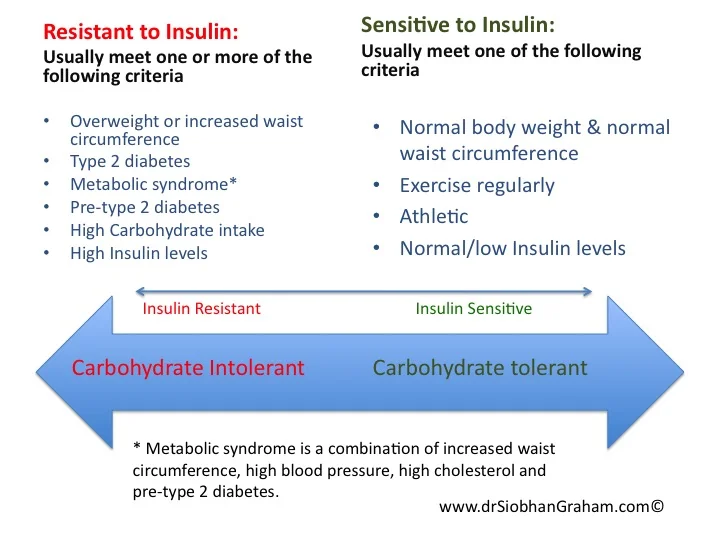
Did you know that as oestrogen levels fall, many women become more resistant to insulin?
High insulin levels can:
- Encourage weight gain, especially around the tummy
- Increase cravings for sugary foods
- Raise the risk of pre-diabetes and type 2 diabetes
- Increase inflammation
- Increase the risk of fatty liver disease
- Contribute to heart disease
Reducing sugar and refined carbohydrates helps:
- Keep insulin levels lower
- Improve energy throughout the day
- Reduce hunger and cravings
- Support weight management
- Protect long-term health

The chart above shows the break down of fats. Note the flaxseed oil is high in Omega 3 fatty acids, hence the recommendation for eating flax seeds during the perimenopause and menopause.
🥜 Include Healthy Fats Every Day
Aim to eat a handful of unsalted nuts or seeds most days.
Good choices include:
- Walnuts
- Almonds
- Pumpkin seeds
- Sunflower seeds
- Chia seeds
- Flaxseeds (linseeds)
- Extra virgin Olive oil
- Olives
- Avocadoes
These provide:
- Fibre
- Healthy fats
- Plant omega-3 fats
- Magnesium
- Zinc
Ground flaxseeds are particularly beneficial as they contain fibre and natural plant compounds called lignans.
🌸 Eat Foods Rich in Phytoestrogens
Phytoestrogens are naturally occurring plant compounds that have mild oestrogen-like activity.
Foods include:
- Flaxseeds
- Chickpeas
- Lentils
- Soy foods (tofu, edamame, tempeh)
- Beans
Some women find these foods helpful for supporting overall wellbeing during menopause as part of a healthy diet.
🍗 Aim for Enough Protein
Protein becomes even more important during menopause because we naturally lose muscle mass with age.
Include protein at every meal.
Good sources include:
- Fish
- Chicken
- Turkey
- Eggs
- Greek yoghurt
- Cottage cheese
- Tofu
- Beans and lentils
- Chickpeas
Protein helps:
- Maintain muscle strength
- Support recovery after exercise
- Keep you feeling full
- Support healthy bones
☀️ Don’t Forget Vitamin D
Vitamin D is essential for:
- Bone strength
- Muscle function
- Immune health
Many people in the UK have low vitamin D levels, particularly during autumn and winter.
Your clinician may recommend a vitamin D supplement depending on your individual needs.
💊 Consider a Daily Multivitamin
A good quality multivitamin can help support:
- General health
- Bone health
- Energy production
- Normal immune function
It should complement a healthy diet rather than replace it.
🚫 Limit Alcohol
Alcohol can:
- Trigger hot flushes and night sweats
- Disturb sleep
- Increase anxiety
- Increase calorie intake
- Weaken bones over time
- Increase the risk of several cancers
If you drink alcohol:
- Keep within recommended limits
- Aim for several alcohol-free days each week

💪 Combine Good Nutrition with Strength Training
Healthy eating works best alongside regular exercise.
Strength training helps:
- Preserve muscle mass
- Build stronger bones
- Improve insulin sensitivity
- Support a healthy weight
- Reduce the risk of osteoporosis
Please see our separate Strength Training During Menopause information sheet for practical advice on getting started.
Key Take-Home Messages
- Eat plenty of vegetables, especially cruciferous and leafy greens.
- Include legumes such as chickpeas and lentils several times a week.
- Choose high-fibre carbohydrates instead of refined carbohydrates.
- Swap white pasta for chickpea or lentil pasta where possible.
- Include protein with every meal.
- Eat nuts, seeds and ground flaxseed regularly.
- Enjoy foods naturally rich in phytoestrogens.
- Reduce sugar and refined carbohydrates to help lower insulin levels.
- Limit alcohol to improve sleep, symptoms and long-term health.
- Ensure adequate vitamin D and consider a daily multivitamin.
- Combine healthy eating with regular strength training for the greatest health benefits.