| Services | Genital Warts
Discreet and confidential genital wart treatment at our Belfast city centre clinic. Our doctors can treat warts of any duration We use both Liquid nitrogen and hyfrecation if needed.


ℹ️ Due to a temporary shortage of liquid nitrogen, we are unable to provide traditional cryotherapy treatment however, we can still safely treat warts using our Histofreezer alternative.
Our doctors can treat genital warts even if they have been there for many years. We provide a discreet service and understand that this can be an embarrassing condition to seek help for; but over 30% of people have or have had genital warts so you are not alone.
You must book your initial genital wart removal consultation with one of our doctors, as sometimes the lesions are not warts and we can advise you on what they are and how best to treat them. We will also discuss recurrence, safe sex, and the potential for any other infections or underlying conditions.
We will treat the wart with either liquid nitrogen or hyfrecation ( this requires a local anaesthetic to freeze the skin)
We can also prescribe a cream for ongoing home treatment of genital warts if needed.
Our female GP’s carry out our female genital wart treatments, whilst both our male & female GPs carry out male genital wart treatment treatment.
ℹ️ Due to a temporary shortage of liquid nitrogen, we are unable to provide traditional cryotherapy treatment however, we can still safely treat warts using our Histofreezer alternative.
Following your first genital wart treatment with liquid nitrogen, repeat appointments are discounted to £110. Most people require two to three treatments but some can require more if the warts are large.
In many cases we will recommend a lotion/cream called Warticon which can be used if the warts do not fully disappear after the first treatment.
The doctor may also recommend hyfrecation of the wart. This is a minor procedure requiring local anaesthetic. See below.
ℹ️ Due to a temporary shortage of liquid nitrogen, we are unable to provide traditional cryotherapy treatment however, we can still safely treat warts using our Histofreezer alternative.
Because this requires local anaesthetic to freeze the skin and specialised equipment, we need 30 minutes for repeat procedures.
Hyfrecation destroys the tissue within the wart and is useful for larger warts or warts that are multiple and that have not responded to cryotherapy.
Dr Anita performs this for both male and females and is skilled in this procedure. She is assisted by our health care assistant Tina.
Cryotherapy is generally limited to a maximum of 10 warts per appointment, although the doctor may treat fewer or more depending on the size, location, and patient tolerance.
The appointment fees above are for up to 10 warts.
For more than 10 warts, there is an additional charge of £10 per each additional cluster of up to 10. This can be paid at reception following your appointment.
Need more information? Read our FAQs below or call 028 9691 3000


Verified Google reviews from patients who’ve experienced our personalised care.
All our doctors are NHS-trained, GMC registered, and passionate about supporting patients in achieving long-term health improvements.
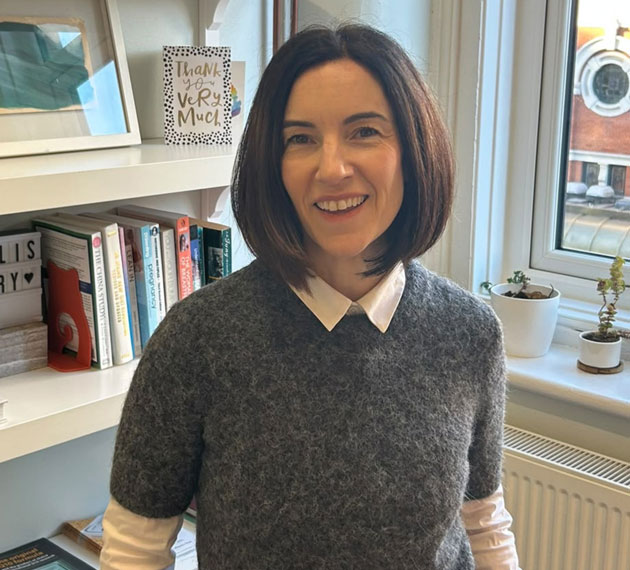
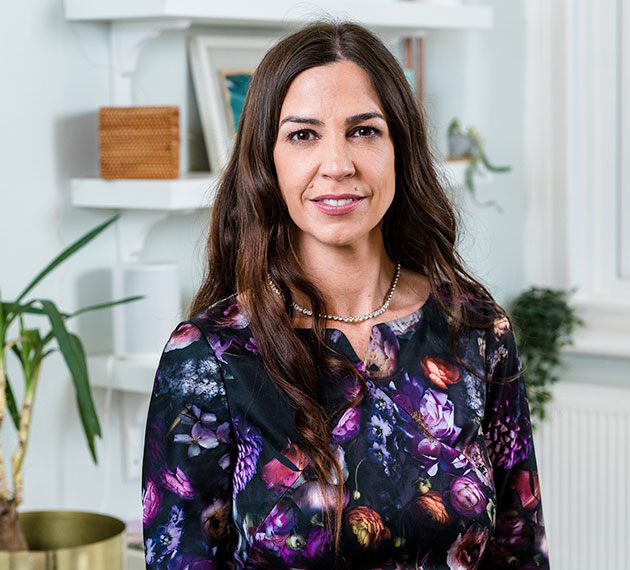
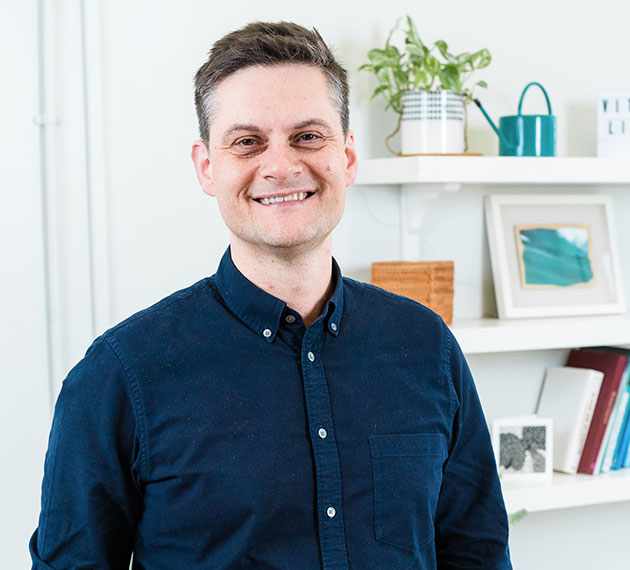

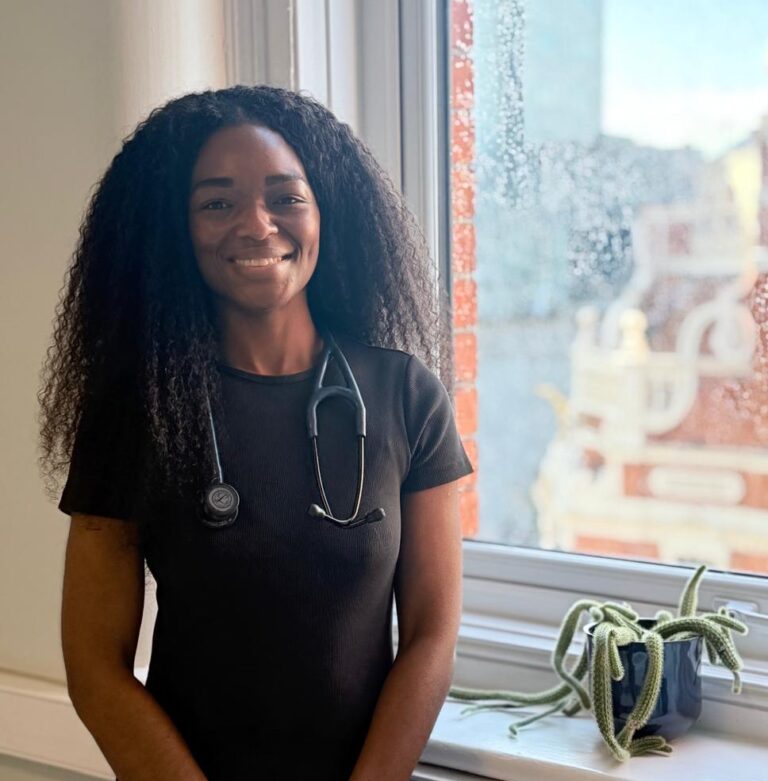

GP
Dr Sarah brings her strong clinical skills and attentive nature to enhance our medical team.
She has a broad medical knowledge base. Her particular interests are in women’s health – including menopause and perimenopause. She holds a menopause training post graduate certificate from the British Menopause Society (BMS).
Dr Sarah also has lots of experience in general medicine and mental health. She has completed a master’s in psychotherapy and understands how every case is unique.
Dr Sarah has over 20 years experience working as a doctor and enjoys keeping up to date with medical advances, changes in guidelines and novel treatments. She also has an interest in psychotherapy and considers medicine a vocation.
Dr Sarah has a young family and also works as a GP partner within the NHS.
GP
Dr Jen brings her menopause expertise to our women’s health team.
She holds a menopause training post graduate certificate from the British Menopause Society (BMS). She can help you through the perimenopause and menopause as well as assisting with contraception advice.
Dr Jen understands the importance of the right food for health, the importance of addressing underlying stressors in your life and the impact of stress on your wellbeing and immune system.
She is thrilled to practice her holistic approach to patient care – something she is passionate about. To highlight this passion, Dr Jen teaches meditative dance and reformer pilates.
We welcome Dr Jen to the team to uphold our holistic approach to your care.

Sexual Health & Family Planning
We are thrilled to have Dr Anita join our team.
Dr Anita Maini has been working in sexual health services for the last 25 years. This includes contraception, colposcopy and GUM (STI detection and management). She is skilled in dealing with coils, implants and provides the full range of contraception. She is also trained in uterine scanning if required.
She has a gentle demeanour and is our most experienced sexual health and family planning doctor.
Dr Anita works Tuesday mornings.
GP
Dr Russell joined Vitalis Health in 2021 bringing his experience as an NHS GP and personal interest in mind body medicine to the clinic.
Dr Tim has a diploma in Lifestyle Medicine from the British Society of Lifestyle Medicine. As an extension of this he has a particular interest in treating disease through lifestyle modification – especially in areas where psychological problems, such as stress, contribute towards physical problems such as high blood pressure, headaches, fibromyalgia and Irritable Bowel Syndrome (IBS).
He is also skilled in performing joint injections and has a lot of experience dealing with difficult to manage eczema and dermatitis.
He graduated in Medicine from the University of Newcastle-Upon-Tyne in 2000. After working in various hospital specialties in England, New Zealand and Scotland, he qualified as a GP in 2006.
Alongside his Vitalis Health role, Dr Russell continues to work as an NHS GP partner in Northern Ireland.
GP
Dr McKeown has over 20 years experience as a doctor. He skilled in performing minor operations such as mole and sebaceous cyst removals which he does on Mondays and Wednesdays. He is also trained in skin mole examination using a dermascope. Dr McKeown is an attentive and compassionate GP.
In his spare time he enjoys an active lifestyle, and believes in preventative medicine through lifestyle modification such as exercise, diet and stress reduction. Dr McKeown also believes that patients should have a doctor who supports them during their health journey.
GP
Dr Blessing is a GP in Belfast with 7+ years experience working in NHS general practice.
Alongside general consultations, she also performs steroid injections for knee, shoulder and greater trochanter conditions. She is also currently furthering her professional development with training in ultrasound-guided injections.
Holistic, patient-centred care is important to Dr Blessing, and she strives to look beyond the presenting complaint to support her patients’ overall health and wellbeing.
Outside of clinical practice, she enjoys playing Padel and spending time with her young family.
GP
Dr. Nicole is a GP with enhanced skills in Dermatology and minor skin lesion removal.
She has a Professional Diploma in Dermatology from the Royal College of Physicians of Ireland and has completed training in Dermoscopy (microscopic examination of moles/skin lesions) at Cardiff University. She performs minor surgery for removal of benign skin lesions such as skin tags and cysts.
Born in Vancouver, Canada, she travelled to Poland to study medicine at Gdansk Medical University and to explore her heritage. Following medical school, she finished her postgraduate training in Scotland (Dundee & Perth) and Northern Ireland (Belfast). She completed her GP training in Edinburgh.
Outside of work she enjoys practicing Pilates, being outdoors in nature and spending quality time with her young family.
Regular GP care? Our membership plans offer discounted appointment rates, priority booking, and annual health checks.

We’ve answered the most common questions about genital wart treatment below. If you don’t find what you’re looking for, our team is happy to help.
Cryotherapy is used to treat genital warts by freezing them with liquid nitrogen. The doctor will explain the procedure clearly. The surrounding tissue is protected using vaseline, the the freezing liquid is applied for 10 seconds to each genital wart. First, the tissue is frozen then the tissue is allowed to thaw. We can repeat this again during the first treatment if it is well tolerated.
It can be uncomfortable as the skin close to the wart will also cool down. The wart itself does not have any nerve fibres on the surface, but the deep roots of the wart will also freeze and so this causes sharp pain.
All of our treatments are administered with the utmost confidentiality and discretion by our doctors.
Genital warts are caused by Human Papilloma Virus (HPV) and are the most common STD. These don’t always look like warts. So, if you have any growths, or flowery soft lesions either on or around the genitals or around the anus you may have genital warts.
They are very common and can come and go without active treatment. However if the warts are persistent or unsightly you may want them removed. Sometimes a cream or liquid (Warticon) can be used over a period of 3-4 months to remove them however you must get a consultation with your doctor first.
If you are pregnant it’s important to see a doctor before trying a cream as some of them can be harmful to the unborn baby.
Aldara is licensed for use in pregnancy and not known to harmful at the time of writing.
Persistent HPV infections can also lead to cancers – anal, throat and penile cancers in men, and vaginal, vulval and cervical cancers in women. The majority of HPV related cancers are associated with types 16 and 18.
HPV vaccine for girls was introduced as a school based programme in Northern Ireland in 2008/09. Until September 2012 the vaccine used protected against the oncogenic types 16 and 18, but not those types causing genital warts. From September 2012 onwards, the vaccine used also contains additional protection against types 6 and 11 which account for 90% of genital warts. In September 2014 the HPV immunisation programme changed from a three dose to a two dose schedule for those starting the course under the age of 15, in line with national recommendations.
From October 2016, the same quadrivalent HPV vaccine was introduced for men who have sex with men (MSM) aged up to 45 years attending GUM or STI clinics. Research shows that men who have sex with men (MSM) attending GUM, sexual health and HIV treatment services are more likely to carry HPV in comparison to heterosexual men. An example is HPV type 16 which is associated with anal cancers in men who have sex with men (MSM) compared to heterosexual men. This is even more marked in those with HIV infection. So it is important to consider HPV vaccination in this group.
Cryotherapy is generally limited to a maximum of 10 warts per appointment, although the doctor may treat fewer or more depending on the size, location, and patient tolerance.
The appointment fees above are for up to 10 warts.
For more than 10 warts, there is an additional charge of £10 per each additional cluster of up to 10. This can be paid at reception following your appointment.
Mon: 8:15am – 4:30pm
Tue: 8:30am – 4:30pm
Wed: 8:15am – 4:30pm
Thur: 8:30am – 4:30pm
Fri: 8:30am – 4:30pm
Sat – Sun: Closed


